

9 mins read
|
10-30-2026
Where to Sell Your Product Online in 2026: 12 Best Channels Compared
Summer Nguyen
|
07-19-2026


Source
Source
Source
Source
Source
Source
Source
Source
Source
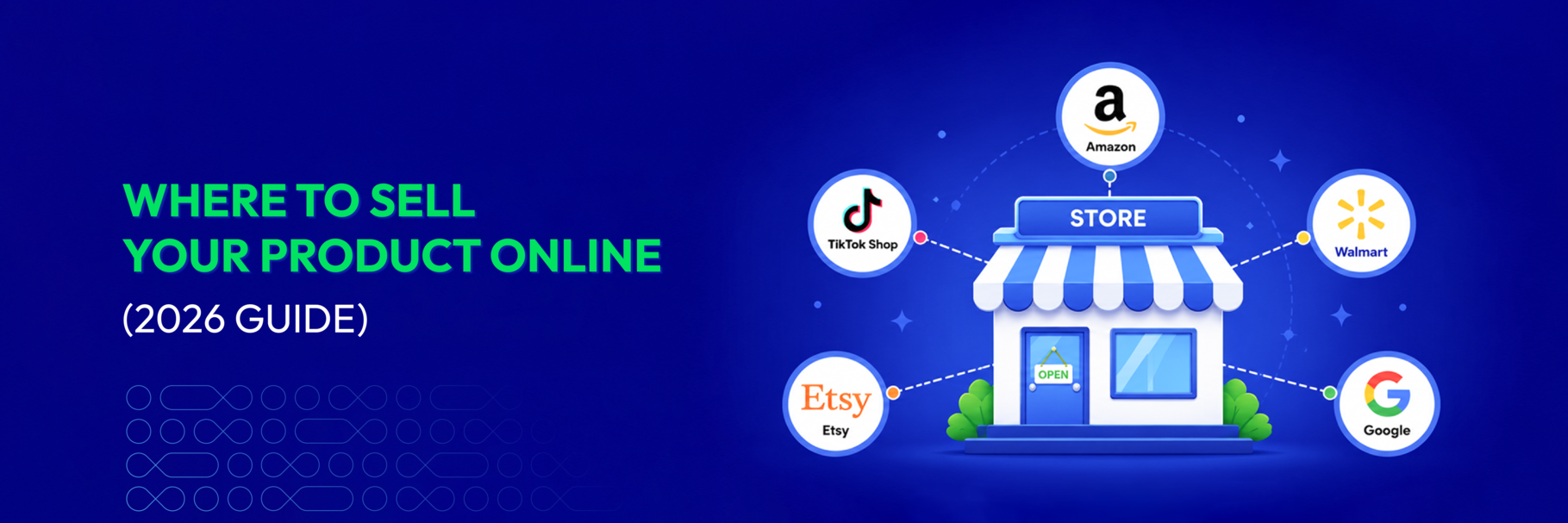
Global e-commerce sales are on track to hit roughly $6.4–6.9 trillion in 2026, about 21% of all retail sales worldwide (Shopify). For a Magento store owner, that scale is an opportunity, but only if you’re selling in the right places. This guide covers how to choose a channel, a side-by-side comparison, a deep dive into each one, and how to combine channels once you’ve picked a starting point.
How to choose the right online channels
Not every channel fits every business. Weigh each option against:
- Product type: Handmade and vintage goods do well on Etsy; mainstream branded products do well on Amazon and Walmart; visually demonstrable products (beauty, gadgets, apparel) thrive on TikTok Shop.
- Target audience: Where do your customers already spend time and money?
- Fees and margins: Referral fees, ad costs, and fulfillment fees can eat 25–45% of revenue if you don’t plan for them (Searchlab).
- Control over brand and customer data: Marketplaces own the customer relationship; your own store doesn’t.
- Logistics and fulfillment support: Some channels (Amazon FBA, Walmart WFS, TikTok’s Fulfilled by TikTok) offer built-in fulfillment; others leave it entirely to you.
💡 Back this up with your own traffic data If you already have GA4 running, check Traffic Acquisition and Ecommerce Purchases to see which sources already convert well before committing budget to a new channel. See GA4 ecommerce reports guide for how to read it.
Quick comparison: where to sell in 2026
To help you scan quickly, here’s how the channels compare at a glance:
| Channel | Best for | Typical fees | Audience size | Brand control | Setup effort |
|---|---|---|---|---|---|
| Your own store (Magento/Shopify) | Full brand control, long-term growth | Platform + payment fees only | Depends on your marketing | Full | Medium–High |
| Amazon | Mainstream branded products | ~15% referral (avg.) + FBA fees | ~2.5B monthly visits | Low | Medium |
| Walmart Marketplace | Value-conscious, larger basket shoppers | Referral fee only, no monthly fee | 400M+ monthly visitors | Low–Medium | Medium |
| TikTok Shop | Visually demonstrable, impulse-buy products | ~6–9% commission | 150M+ monthly US users | Low | Low–Medium |
| Facebook/Instagram Shop | Content-driven, organic social sellers | Varies by checkout method | Billions of users | Medium | Low |
| Etsy | Handmade, vintage, personalized goods | ~24–26% all-in | ~86–93M active buyers | Medium | Low |
| Google Shopping | High-intent search shoppers | Free (organic) or CPC (ads) | Billions of searches | High | Medium |
| Bing Shopping | Supplemental search traffic | CPC-based | 100M+ daily Bing users | High | Medium |
| eBay | Auctions, used, rare, or niche items | ~12.9% average | ~1.3M active sellers | Low | Low |
| Alibaba / B2B marketplaces | Wholesale and B2B buyers | Membership + transaction fees | Global B2B buyers | Medium | Medium–High |
Figures are approximate 2026 estimates; always confirm current rates directly with each platform. Sources are linked in the corresponding section below.
A closer look at each selling channel
1. Your own store (Magento, Shopify, or similar)
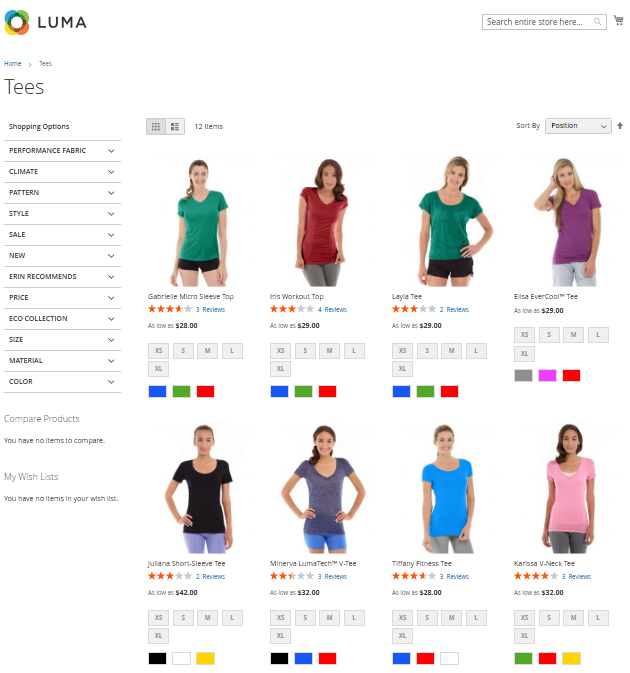
Selling through your own store means no referral fees and full ownership of the customer relationship, but full responsibility for traffic and trust-building too. Most successful sellers treat their own store as the “home base,” since it’s the one channel where customer data and repeat purchases stay with them. Magento and Shopify are the two most common platforms for this: Magento offers more flexibility for complex catalogs, while Shopify is fully hosted and quicker to launch. See Magento vs Shopify if you haven’t picked one yet.
Getting the most out of that ownership comes down to a few basics:
- Optimize checkout and page speed
- Build an email/SMS list from day one
- Set up GA4 properly
💡 One Step Checkout for Magento 2 cuts checkout time significantly and helps reduce cart abandonment by consolidating all checkout steps onto a single page.
2. Amazon
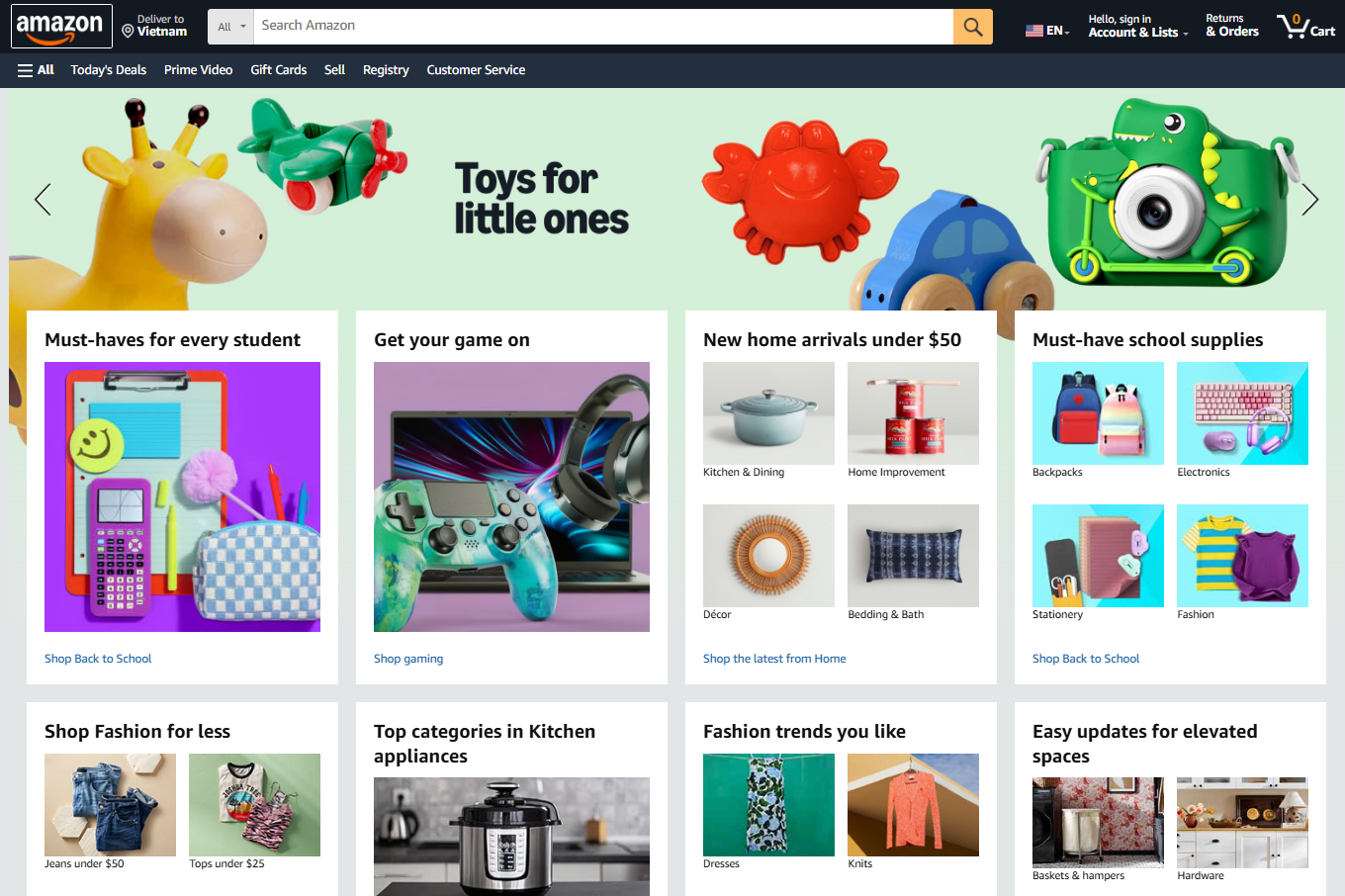
Amazon remains the largest single marketplace, and most of what sells there isn’t sold by Amazon at all. Third-party sellers are responsible for 61% of worldwide paid units, a figure Amazon discloses each quarter, most recently in its Q4 2025 earnings call. In practice, that means listing on Amazon puts a store in direct competition with millions of other sellers for the same search results and Buy Box — so visibility, not just price, becomes the deciding factor.
Getting that visibility comes down to a few basics:
- Invest in high-quality images and A+ content
- Budget for Sponsored Products ads
- Track total cost of sale monthly
3. Walmart
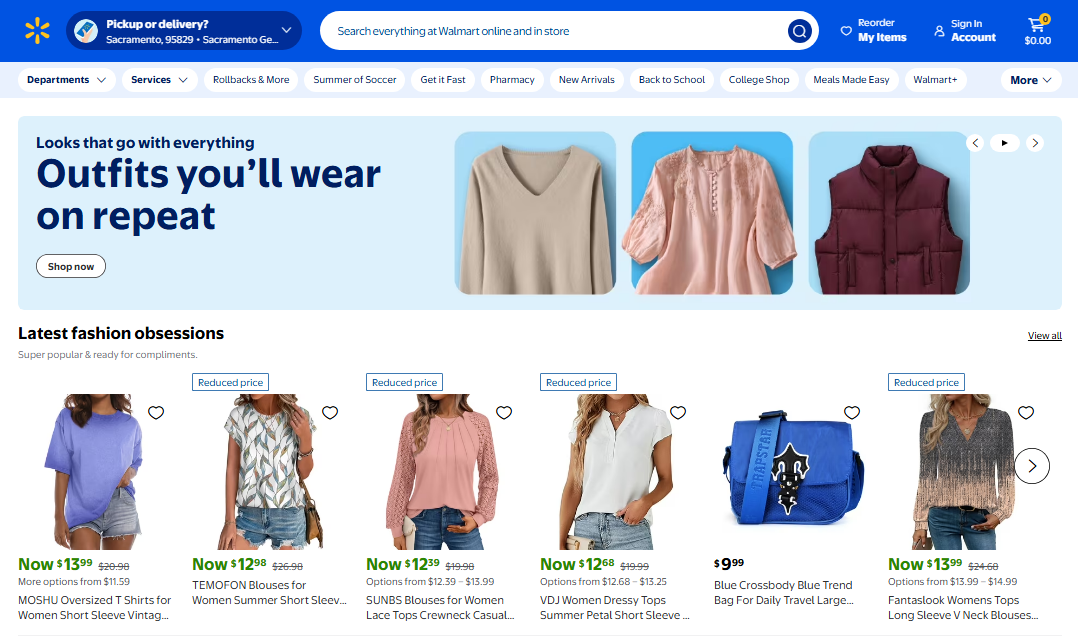
Walmart Marketplace has grown fast, from around 100,000 third-party sellers in 2024 to over 150,000–200,000 today, with no monthly subscription fee, per SPCTek. Unlike Amazon, Walmart’s ranking algorithm leans heavily on data quality and price competitiveness rather than ad spend, and its shoppers are shopping Walmart specifically because they expect everyday-low prices, so a listing that isn’t priced or described precisely tends to get buried rather than just under-ranked.
Related topic: How to integrate Walmart with Magento 2
That makes a few things worth prioritizing early:
- Keep product data clean and accurate
- Price competitively
- Apply for Walmart Fulfillment Services (WFS) early
4. TikTok Shop
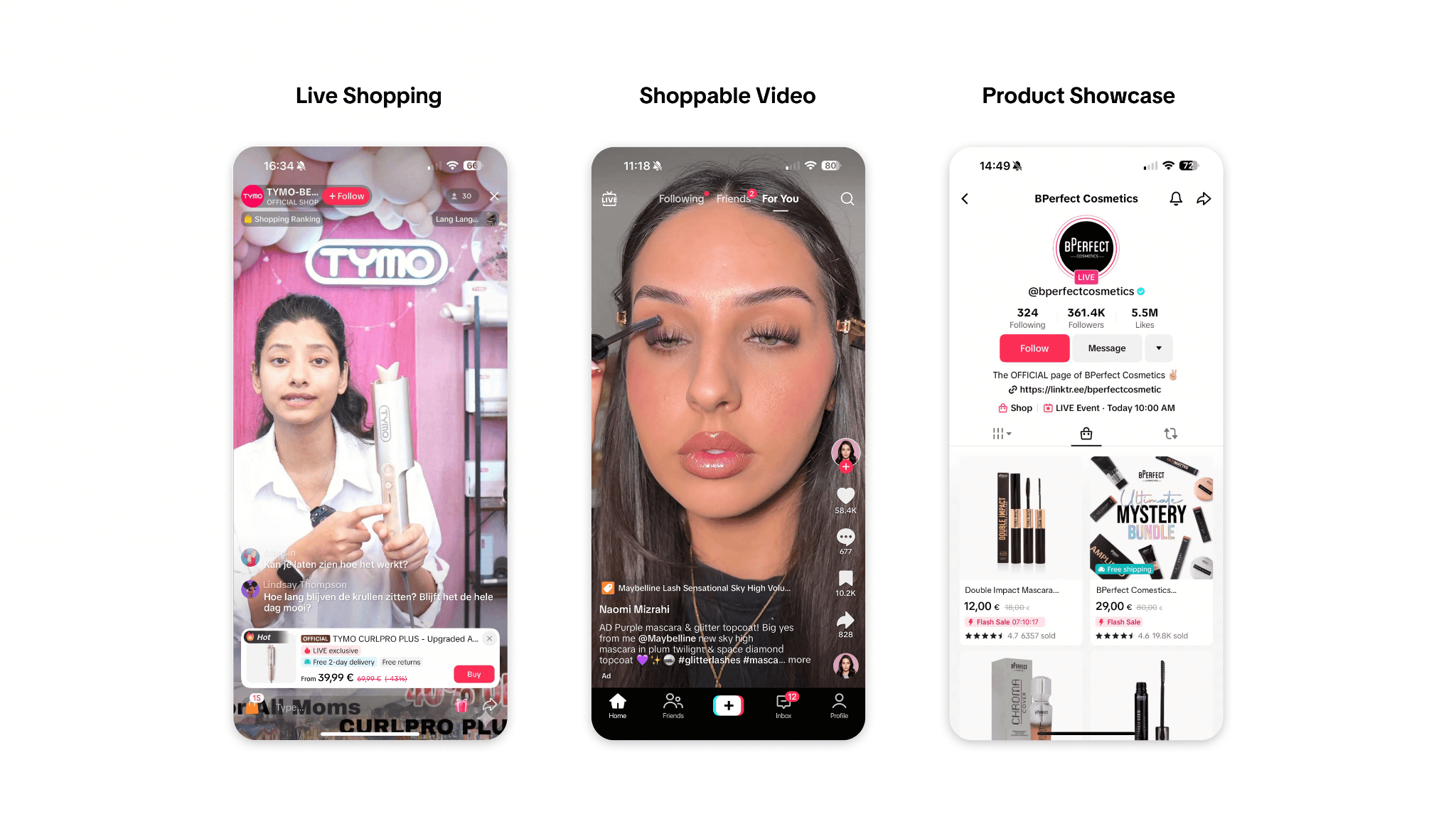
TikTok Shop has become one of the fastest-growing sales channels in e-commerce history since it didn’t even exist when this guide was first written. Global GMV grew to roughly $64B in 2025, with 2026 projections in the $100B+ range (Ringly.io). Unlike a search-based marketplace, discovery here happens through the algorithm’s feed and through creators, not through a shopper typing in a query, which changes what actually drives a sale: watchability and trust in the person showing the product matter as much as the product listing itself.
TikTok Shop in Europe: as of June 2026, the platform operates in 10 European countries, with a new “Sell Across Europe” feature letting sellers register once and sell across multiple markets (TikTok shop).
That video-first, creator-driven model is why these habits matter more here than on other channels:
- Invest in short-form video content
- Use TikTok Shop’s affiliate/creator program
- Post consistently
5. Facebook & Instagram Shop
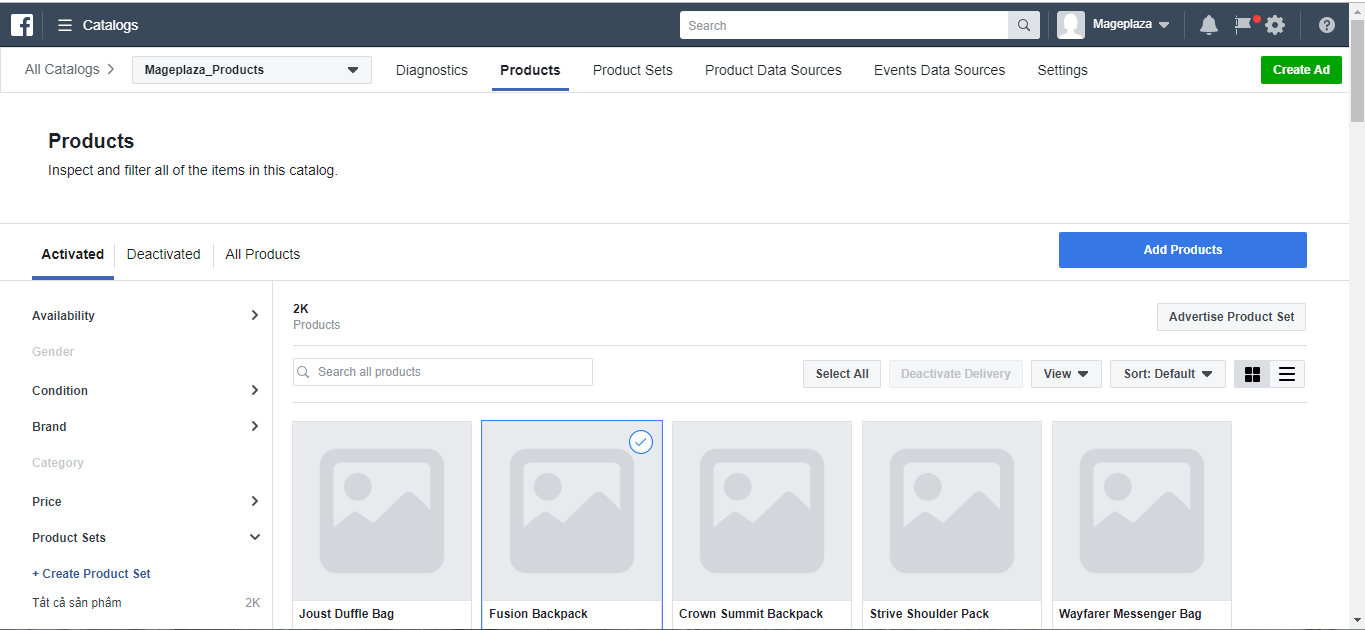
Worth calling out separately from general “social media marketing,” because Facebook and Instagram now support native, in-app checkout: customers can buy without ever leaving the app. Since the purchase happens right inside the same feed someone was scrolling for content, not a dedicated shopping session, small frictions and inconsistencies (wrong price, out-of-stock item still tagged) break trust faster than they would on a marketplace someone visited specifically to buy.
Related topic: How to integrate Facebook Catalog with Magento 2
Notes for shop owners:
- Keep your catalog synced via Meta Commerce Manager
- Use Stories/Reels product tags
- Respond quickly to comments and DMs
6. Etsy
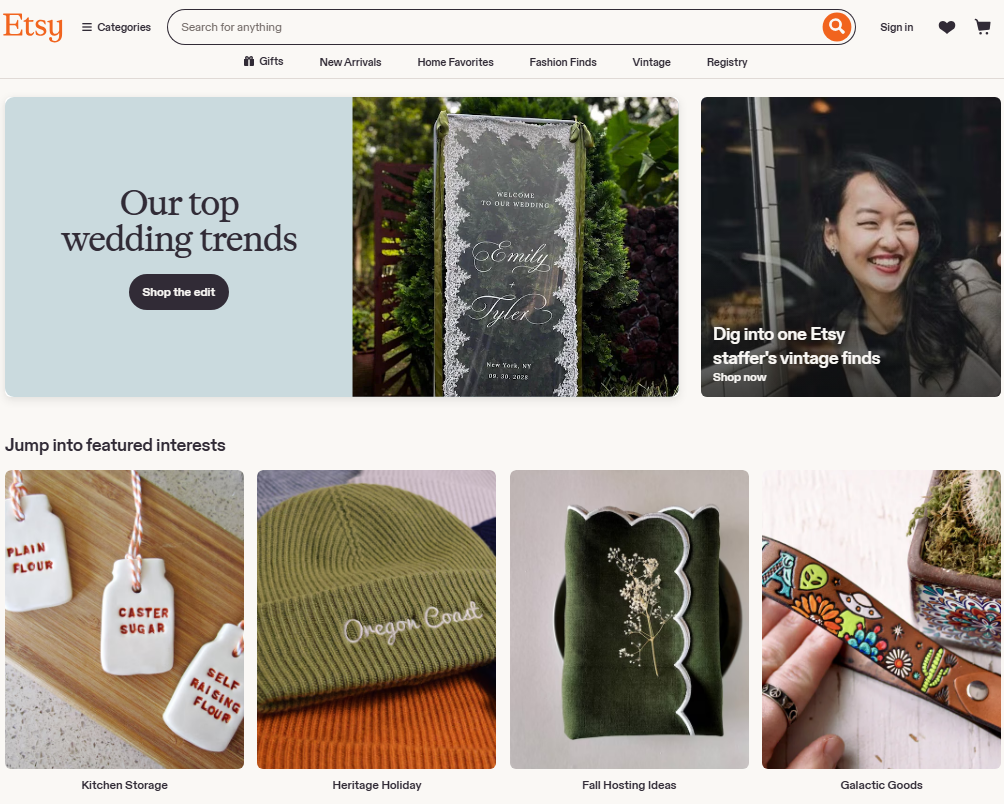
The go-to marketplace for handmade, vintage, and personalized goods. Etsy’s own Q1 2026 investor relations release reports a 25.7% take rate, worth factoring into your pricing since it runs higher than most other channels covered here. Buyers come to Etsy specifically looking for something that feels made by a person rather than mass-produced, which is what the platform’s on-site search and buyer behavior both reward.
Notes for shop owners:
- Write story-driven product descriptions
- Use all available tags and keyword-rich titles
- Photograph products in natural, lifestyle settings
7. Google Shopping
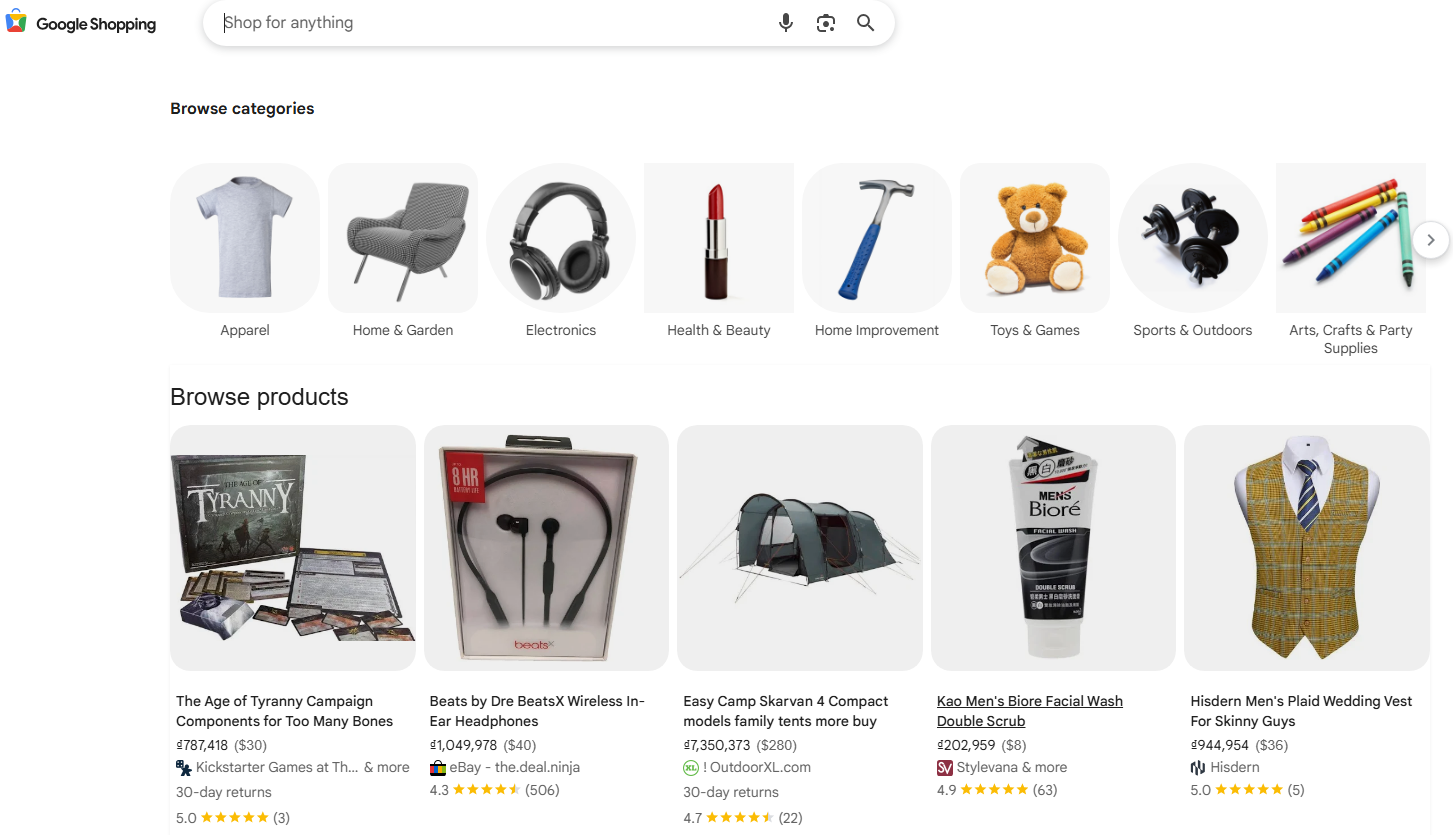
Google now offers free organic product listings alongside paid Shopping ads, making it accessible even without an ad budget. Since a shopper searching on Google already knows roughly what they want, the listing that wins isn’t the most creative one, it’s the one Google’s system can match most precisely to that search, which comes down almost entirely to how complete and accurate your feed data is.
Related topic: How to integrate Google Shopping with Magento 2
Notes for shop owners:
- Keep titles keyword-rich and structured
- Use high-resolution images meeting Merchant Center requirements
- Check Merchant Center for data-quality warnings regularly
8. Bing Shopping
A reasonable secondary channel once your Google feed is running, since Microsoft’s ecosystem reaches over 100 million daily active users with less competition per listing (ExpandedRamblings). Because Bing’s shopping feed format closely mirrors Google’s, the marginal cost of adding it is low once the Google side is already working.
Related topic: How to integrate Bing Ads with Magento 2
Notes for shop owners:
- Reuse your existing Google Shopping feed structure
- Consider Bing if Google CPCs are getting expensive
9. eBay
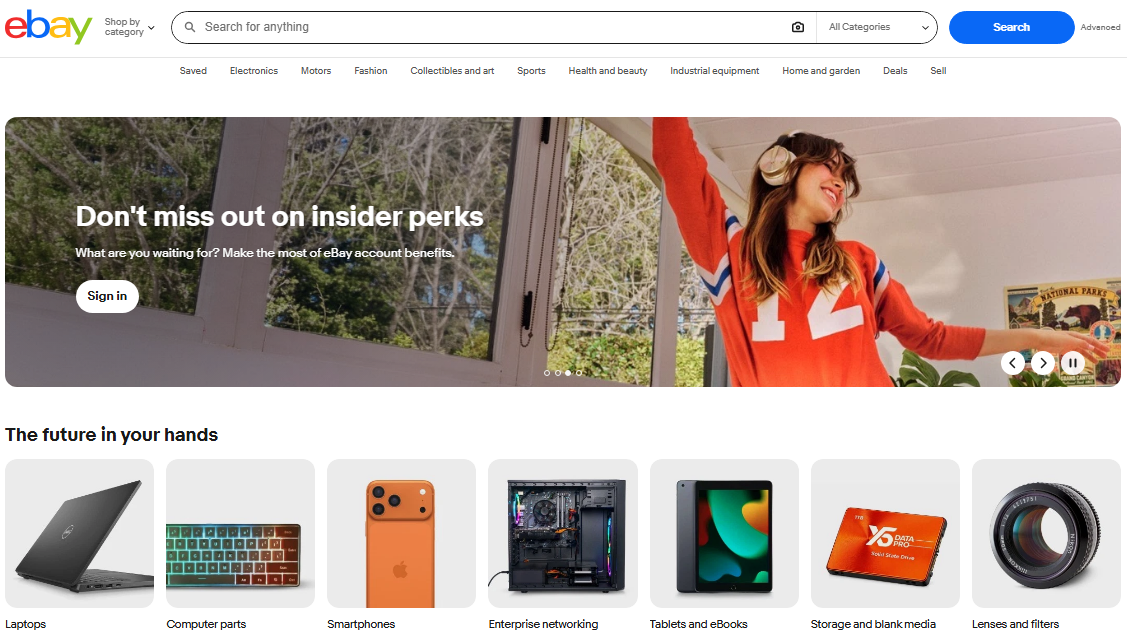
Its reputation as strictly an auction site is outdated, but it has lost meaningful ground to Amazon, Walmart, and TikTok Shop since 2018. Still has a large buyer base of roughly 1.3 million active sellers globally (Searchlab). eBay’s search still weighs keyword-matching in the title more heavily than Amazon’s does, and its long-standing feedback system means a seller’s track record is visible to buyers in a way it usually isn’t elsewhere.
Related topic: How to integrate eBay Commerce Network with Magento 2
Notes for shop owners:
- Write detailed, keyword-dense titles
- Build up seller feedback early
- Use auction format for rare/collectible items only
10. Alibaba and other B2B marketplaces
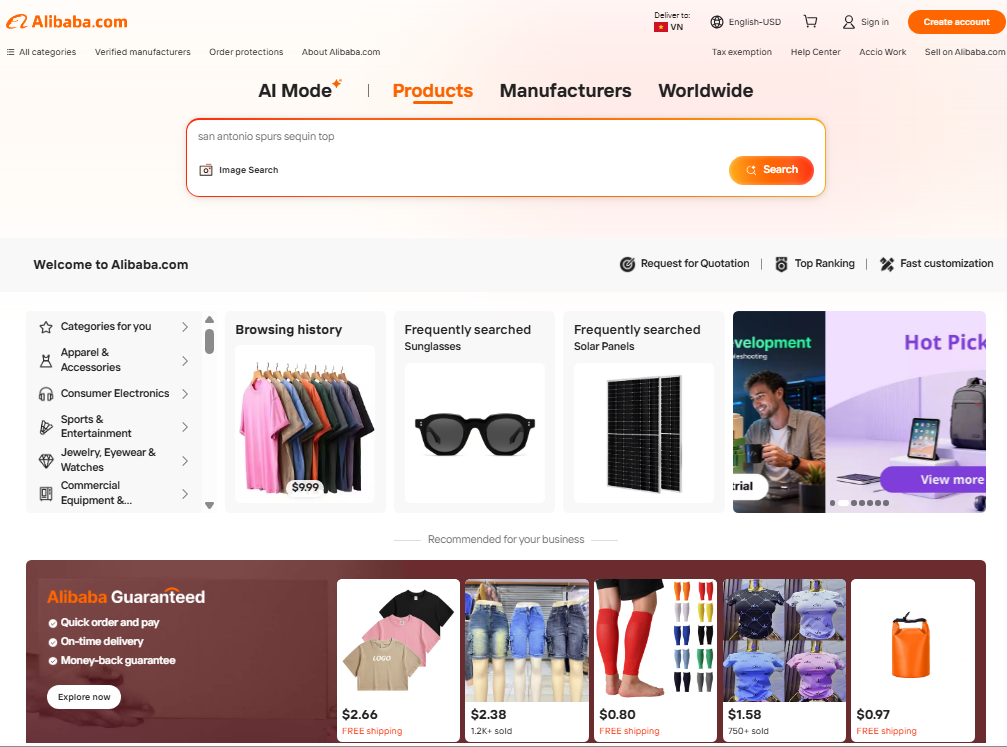
Alibaba remains the dominant global B2B marketplace. B2B e-commerce is actually a larger market than B2C globally, per the U.S. International Trade Administration. Buyers here are typically sourcing for their own business, comparing multiple suppliers side by side through requests for quote, so price and response time carry more weight in closing a deal than they do in a typical consumer purchase. Alibaba doesn’t have a dedicated Magento integration guide at this time.
Notes for shop owners:
- Lead with your best wholesale price point
- Respond to inquiries fast
- Keep listings keyword-optimized
11. Other marketplaces worth knowing (Bonanza, Craigslist, Newegg)
These smaller, niche platforms each solve a narrow problem well, but none of them bring enough built-in traffic to be a primary channel on their own:
- Bonanza: an eBay alternative with much lower fees (~3.5% vs. eBay’s 12–15%, per Underpriced.app), but far less traffic, so it works best for products that are already proven sellers elsewhere.
- Craigslist: no built-in payment processing or buyer protection, which makes it suited to local, bulky, or hard-to-ship items where in-person exchange is normal anyway.
- Newegg: a smaller audience overall, but one that’s specifically shopping for electronics and tech, which makes it worth the extra listing effort only in that category.
Notes for shop owners:
- Cross-list already-tested SKUs on Bonanza
- Favor local pickup/cash for Craigslist
- Use Newegg’s seller programs and daily-deal placements
12. AI shopping agents
Buyers increasingly start their shopping journey inside an AI platform (ChatGPT, Perplexity, Google’s AI Mode) instead of a search engine. AI-sourced traffic to US retail sites grew 393% year-over-year in Q1 2026 and converted 42% better than organic traffic, (Adobe Analytics via Witscode). The key difference is that these agents read structured product data, price, availability, GTINs, rather than the marketing copy and page design built for a human visitor, so a product can be invisible to an AI agent even while its page looks perfectly fine to a person browsing it.
That’s why the same feed discipline that helps on Google Shopping matters here too:
- Add structured product data (Schema.org markup) to your pages, e.g. price and stock status, so AI tools can read them correctly
- Don’t block AI crawlers in your firewall/robots.txt
- Keep product data complete and current
Combining channels with Product Feed
Most sellers use 2-3 channels, not just one:
- Start with one channel that matches your product type, then add a second once it’s profitable.
- Pair channels that reinforce each other: TikTok Shop with Facebook/Instagram Shop, or Google Shopping with Bing Shopping.
- Use marketplaces to feed your own store, not replace it.
- Add a B2B channel only if wholesale is part of your business.
Once you’re on more than one channel, the practical challenge becomes keeping product data, pricing, and stock consistent everywhere. For Magento store owners, updating that by hand across several channels doesn’t scale for long. A product feed automates it, keeping your catalog in sync from one place.
FAQs
Which platform has the lowest fees?
Roughly: your own store < Walmart < eBay/Bonanza < Amazon < Etsy.
Can I sell on multiple channels at the same time?
Yes, most established sellers do. Keeping inventory and pricing in sync is the main challenge, which a product feed tool helps solve.
Should I build my own website or use a marketplace for dropshipping?
Most dropshippers start on a marketplace for built-in traffic, then move toward their own store once a product is validated. See what dropshipping is.
How do I know which channel is actually driving revenue, not just traffic?
Check revenue and conversion rate per channel in GA4, not just visits. If you haven’t set up GA4 tracking on your Magento store yet, see how to add Google Analytics 4 to Magento 2 first.
Does selling on multiple channels increase operating costs?
Yes, somewhat: each channel adds its own fees and sync work. A product feed tool reduces the manual overhead.
Does selling the same product on multiple marketplaces count as duplicate content for Google?
No, those are separate domains. The real risk is duplicate content within your own site. See how to fix duplicate content in Magento 2.
Do I need to optimize product data for AI shopping agents like ChatGPT or Google AI Mode?
Increasingly yes. These tools read structured product data, not marketing copy, so good feed quality helps here too.
What should I evaluate before expanding to a new marketplace?
Product fit, audience overlap, fees vs. margin, and fulfillment requirements.
Final words
There’s no single “best” place to sell your product in 2026, there’s only the best combination for your specific product, audience, and stage of growth. Start with one or two channels that clearly fit your product type, get them running well, and expand from there. The market has never had more places to sell. The sellers who win are the ones who pick deliberately instead of trying to be everywhere at once.
Table of content

Summer is the CMO and Digital Commerce Solution Expert with 10+ years of experience. She specializes in Magento, Shopify, ERP, CRM, AI, and Blockchain, delivering strategic solutions that transform businesses. With a deep understanding of digital commerce, she helps brands scale and stay ahead in a competitive market.
Related Post
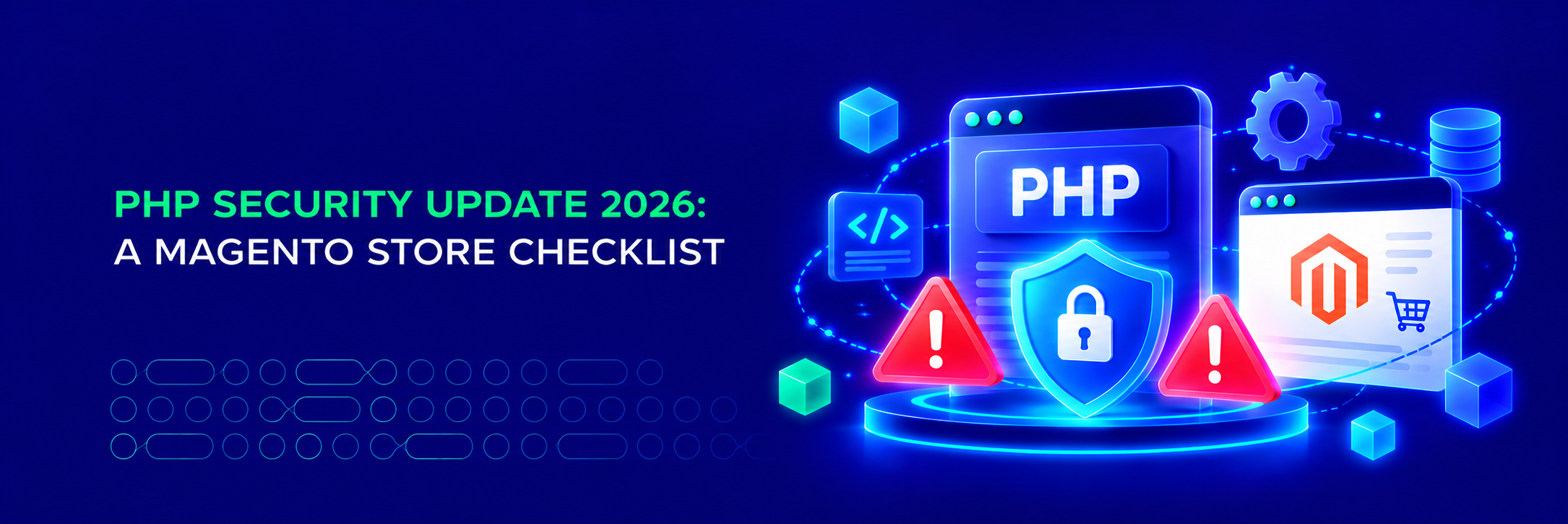
PHP Security Update 2026: What Magento store must do now
PHP security update Oct 2026: CVE-2026-109618 and CVE-2026-109619 explained for Magento. Affected versions, fixes, and a 7-step checklist.
6 mins read
|
2 days ago
15 mins read
|
09-30-2026
16 mins read
|
08-30-2026
5 mins read
|
07-30-2026
7 mins read
|
06-30-2026
9 mins read
|
10-30-2026
PHP Security Update 2026: What Magento store must do now
PHP security update Oct 2026: CVE-2026-109618 and CVE-2026-109619 explained for Magento. Affected versions, fixes, and a 7-step checklist.
6 mins read
|
2 days ago
15 mins read
|
09-30-2026
16 mins read
|
08-30-2026
5 mins read
|
07-30-2026
7 mins read
|
06-30-2026