



14 mins read
|
09-30-2026
Shopify Vs Wix Vs Wordpress: An In-Depth Comparison
Summer Nguyen | 07-11-2024
In the modern digital era, picking the best website builder matters greatly for people and businesses. Shopify, Wix, and WordPress stand out, each with its perks. They cover various needs, whether selling online, ease of use, or flexibility. This article compares Shopify vs Wix vs WordPress to aid users in choosing the right fit for their needs.
Shopify vs Wix vs WordPress: Quick assessment
Shopify is great for online selling. It is easy to use and perfect for anyone. You can create and manage an online shop without fancy tech skills. It offers many professionally designed templates tailored for e-commerce. These help you create a good-looking store fast. Shopify covers key e-commerce needs like inventory, payments, and orders. Its app store adds more features and customization integrations. Plus, it’s hosted, so you don’t worry about servers or tech stuff. You can focus on growing your business.
Wix is an adaptable website builder that supports e-commerce and other website requirements. Its user-friendly drag-and-drop interface makes it perfect for beginners and those without technical skills. With so many concepts accessible to many businesses, you can rapidly create a professional-looking website.

Wix offers Wix Stores for online sales, which include necessary capabilities like inventory management, payment processing, and shipping choices, even if the company is not just focused on e-commerce.
WordPress is a flexible website system that runs much of the internet. It enables you to develop various websites, including blogs, portfolios, business websites, and online stores—unlike Shopify and Wix. WordPress provides features like page builders and themes that make it easier, especially for beginners, even though it may require some technical knowledge to set up. With so many themes and plugins, you may completely customize your website. WordPress includes WooCommerce, a strong application that turns your website into an online store.

In conclusion, Shopify, Wix, and WordPress have advantages and can be customized to meet various needs and tastes. Your decision will be based on your needs, level of tech expertise, and desired level of control over your website.
Shopify vs Wix vs WordPress: The comprehensive comparison
Pricing plan
Here’s a comparison of the pricing plans for Shopify, Wix, and WordPress:
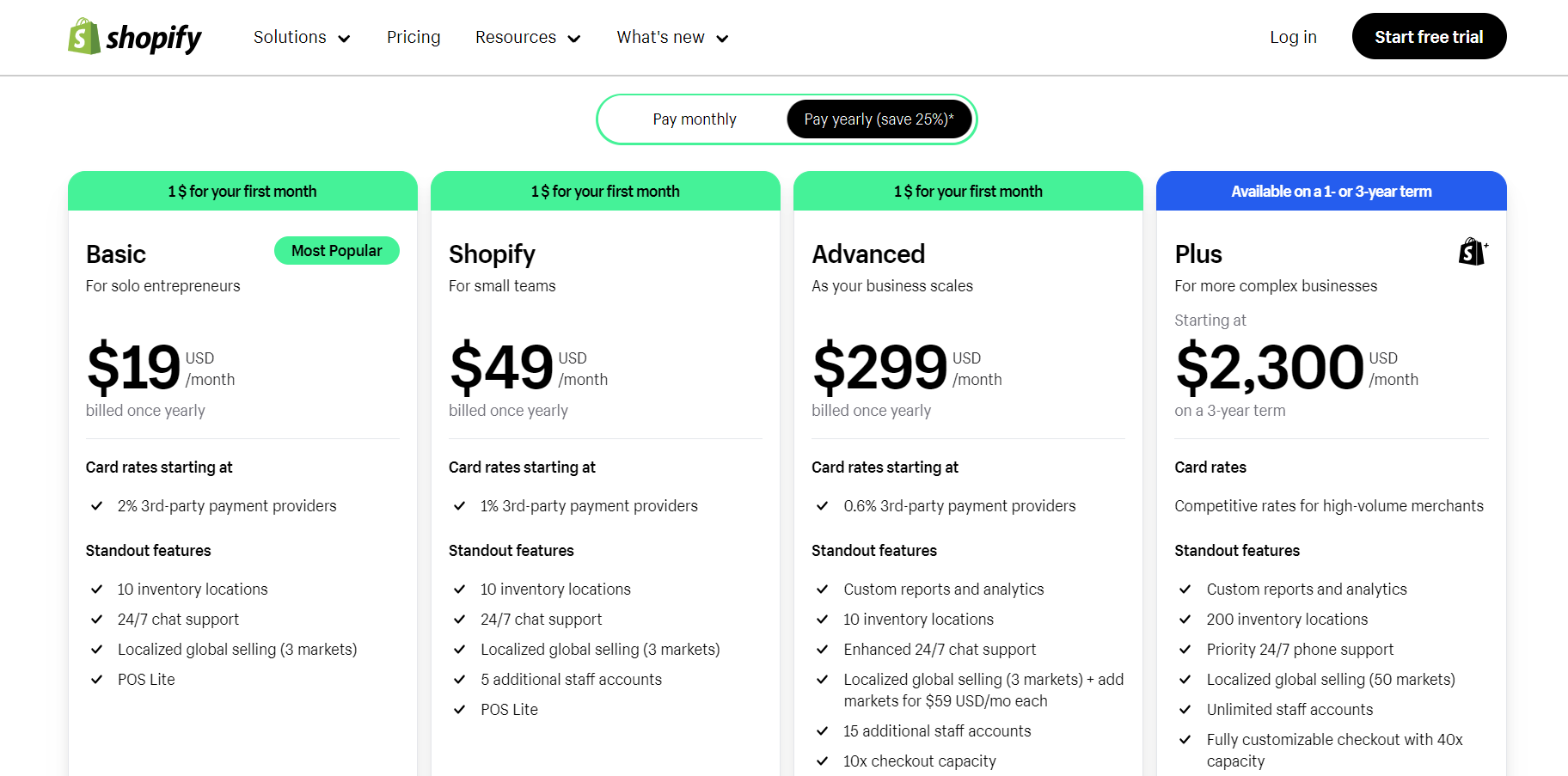
Shopify:
- Shopify offers three main pricing plans: Basic, Shopify, and Advanced.
- Basic Shopify starts at $29 per month and includes essential features for starting an online store, such as unlimited products, 24/7 support, and online sales channels.
- The Shopify plan starts at $79 monthly and adds features like gift cards, professional reports, and abandoned cart recovery.
- Advanced Shopify costs $299 monthly, including advanced features like third-party calculated shipping rates and advanced report building.
Wix:
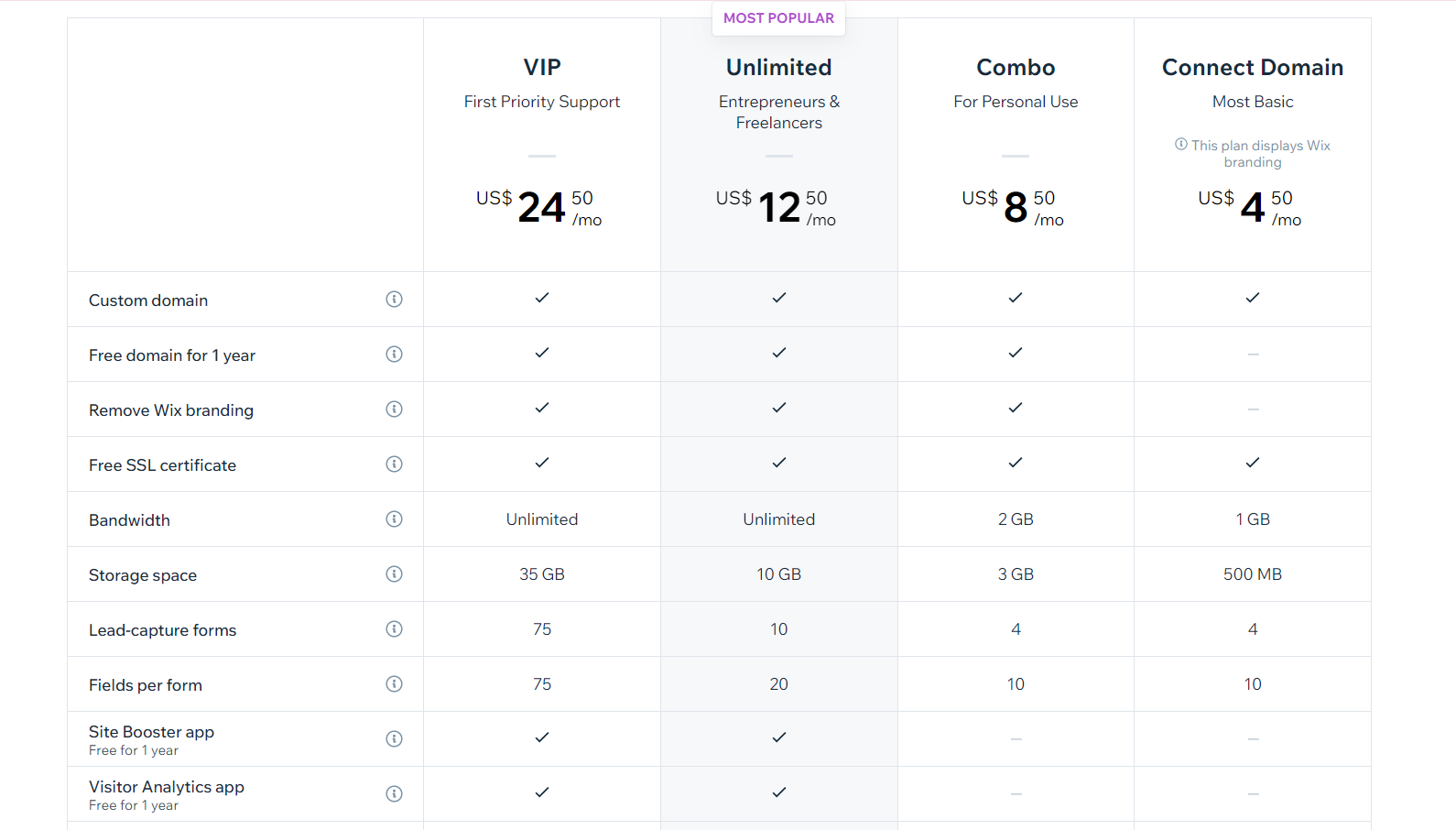
- Wix offers a range of pricing plans for different needs: Free, Combo, Unlimited, Pro, and VIP.
- The Free plan allows you to create a website with Wix branding and limited features.
- The Combo plan starts at $14 per month and includes a free domain for one year, removal of Wix ads, and additional features like a custom domain.
- The Unlimited plan starts at $18 per month and offers unlimited bandwidth, 10GB of storage, and additional apps.
- The Pro plan costs $23 per month and adds features like a professional logo and social media logo files.
- The VIP plan costs $39 monthly and includes priority and VIP support.
WordPress:
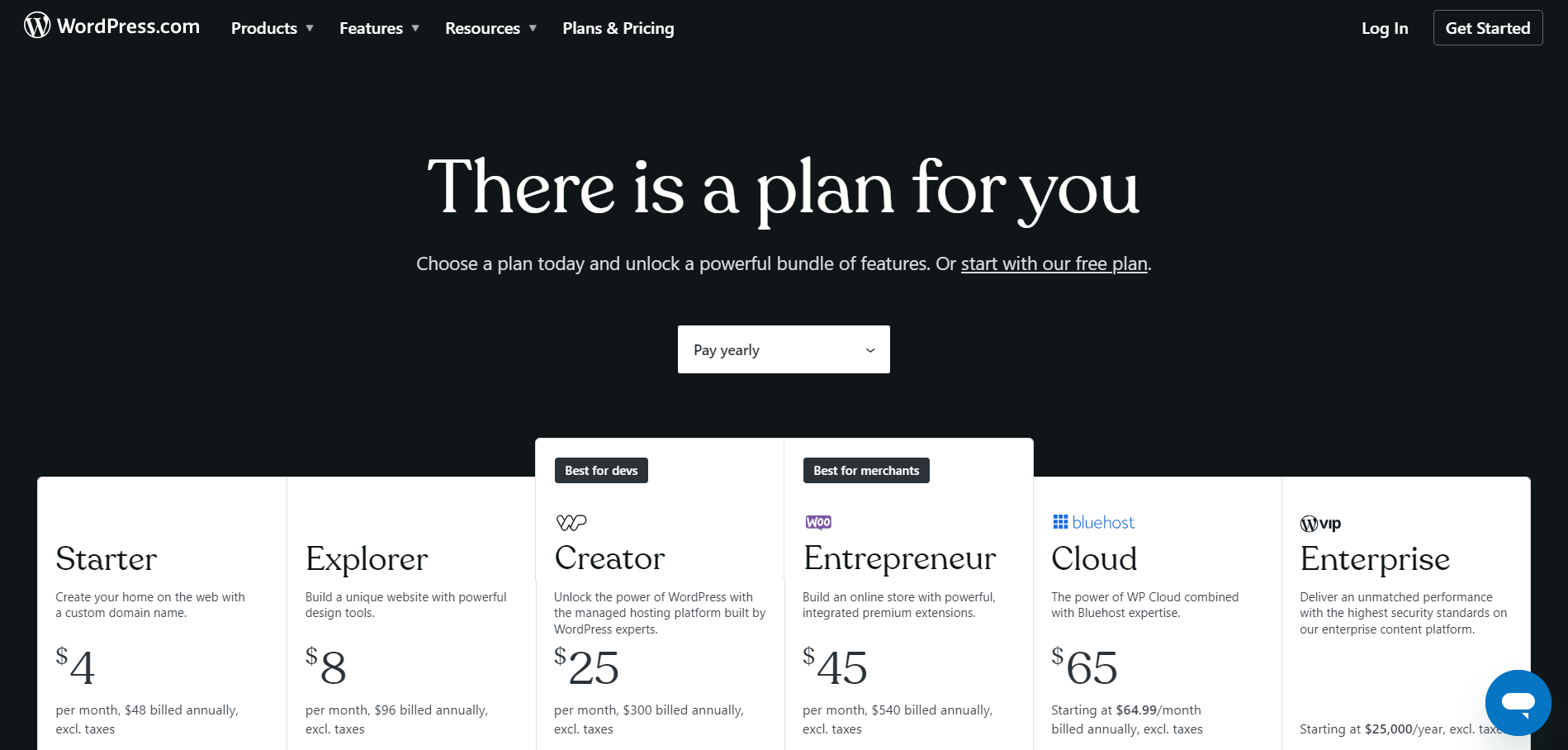
- WordPress is free but must pay for web hosting and a domain name.
- Hosting costs vary depending on the provider and plan you choose. Shared hosting plans can start from a few dollars per month, while managed WordPress hosting can range from $15 to $100 or more monthly.
- Domain name registration typically costs around $10 to $20 per year.
- Additionally, if you choose to use premium themes or plugins, you may incur additional costs, ranging from a one-time fee to annual subscriptions.
Verdict: Wix provides various plans, including free and paid options, while Shopify offers tiered pricing tailored for e-commerce businesses. WordPress is free, but you must budget for hosting, domain registration, and potentially costly themes or plugins for extensive customization and pricing choices.
Easy to use
When it comes to ease of use, Shopify, Wix, and WordPress offer different user experiences:
Shopify is designed for easy e-commerce setup and management. It boasts a user-friendly interface ideal for handling tasks like order processing, product addition, inventory tracking, and store customization. Its simplicity makes it particularly attractive for newcomers, although its focus on e-commerce might be less adaptable for other website purposes, like blogs or portfolios.
Wix is well known for its drag-and-drop website builder, making it possible for non-programmers to construct personalized websites quickly. Users may customize their sites to their preferences with its selection of modifiable templates. Wix’s intuitive design makes it easier to create a variety of website kinds by guiding users step-by-step through the website production process. Wix’s built-in facilities for adding galleries, forms, and e-commerce functionality further improve its usability for various website requirements.
With WordPress, you can access various website-building choices, such as blogs, e-commerce storefronts, company sites, and portfolios. Compared to Shopify and Wix, WordPress may have a longer learning curve, especially for novices, despite its visual editor and intuitive dashboard, making it reasonably straightforward. WordPress provides greater customization possibilities and flexibility, enabling users to develop highly customized websites. However, this versatility may make the platform more difficult for certain people to operate. But even without substantial technical skills, beginners may still construct attractive websites with WordPress thanks to the availability of page builders and user-friendly themes.
Verdict: Shopify is the best option for e-commerce convenience. Wix shines in simplicity with its drag-and-drop builder, and WordPress offers variety but may be more difficult for novices to use due to its wealth of functionality. Ultimately, your decision depends on your needs, technical skills, and preferences in website building.
Highlight feature
Shopify is well-known for providing extensive e-commerce solutions, mostly for companies looking to start or grow their online presence. Its vast e-commerce features, including order fulfillment, safe payment processing, inventory tracking, and product administration, make it stand out. Furthermore, Shopify eliminates the requirement for independent hosting arrangements by streamlining the setup process with integrated hosting. Its vast app store, which provides a variety of third-party apps for extra features like email marketing, social media integration, and customer feedback, further expands its potential.
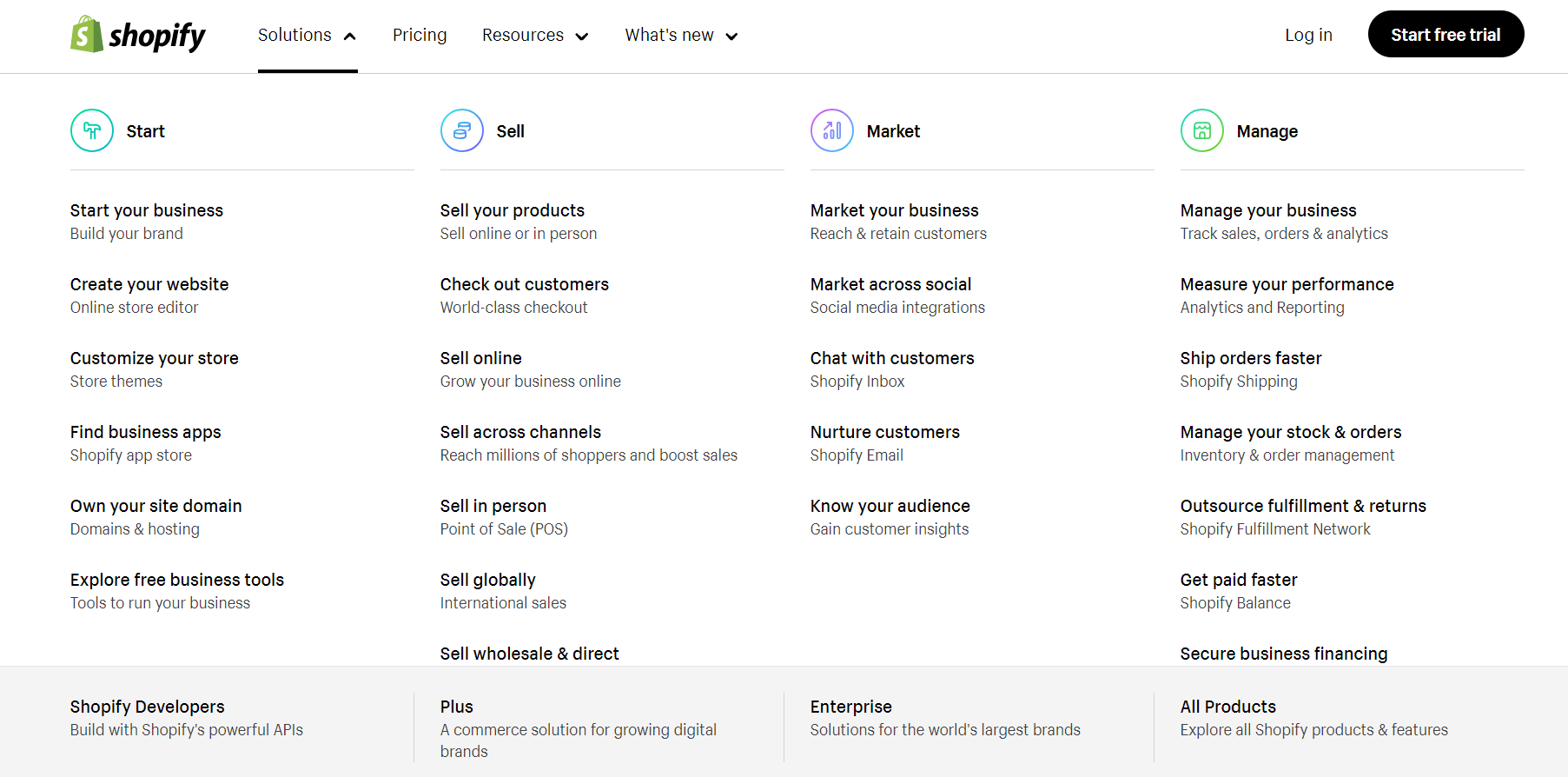
Wix is known for its simple drag-and-drop website builder, which is perfect for creating stunning websites without coding knowledge. Users can easily tweak their website’s style, look, and content, creating new sites a breeze. Wix’s app store provides access to various third-party apps, offering additional features like galleries, forms, and e-commerce tools. Wix’s ADI (Artificial Design Intelligence) further simplifies website creation by analyzing user preferences and generating customized templates tailored to their needs.
For a variety of website kinds, including blogs, portfolios, online stores, and forums, WordPress is a great choice. Its remarkable adaptability and customizability are what make it unique. Its main characteristic is that it is open-source, allowing users to alter the website’s code and maintain ownership over it. WordPress gives you countless options to customize your website with dozens of themes and plugins. In addition, a sizable community of programmers, designers, and users contributes themes, plugins, guides, and support forums, ensuring you can access all the resources and assistance you require.
Verdict: Wix impresses with its user-friendly website builder and ADI feature, while Shopify shines in e-commerce capability and integrated hosting. Additionally, WordPress provides unmatched adaptability and personalization choices, underpinned by its open-source framework and robust user base.
Scalability
Shopify is quite scalable, especially for online retailers. Shopify guarantees that as your site grows, it can manage more traffic, product listings, and sales volumes with the same speed. It does this by providing a variety of price plans with features that adjust to changing needs. Shopify’s vast app store allows users to expand their stores’ features and integrations as they grow. Furthermore, Shopify Plus is designed with large businesses in mind, offering cutting-edge features, specialized support, and customization choices to handle scalability efficiently.
Wix provides scalability for a range of website types, including company websites, blogs, portfolios, and e-commerce websites. Thanks to its flexible price plans, which are tailored to meet a variety of needs, users can upgrade as their business expands. Users may quickly add new features and connectors to their websites to facilitate scalability with Wix’s app market. Additionally, Wix offers customized plans that let customers add premium features or upgrade to higher-tier plans as needed for enterprises with particular scaling requirements.
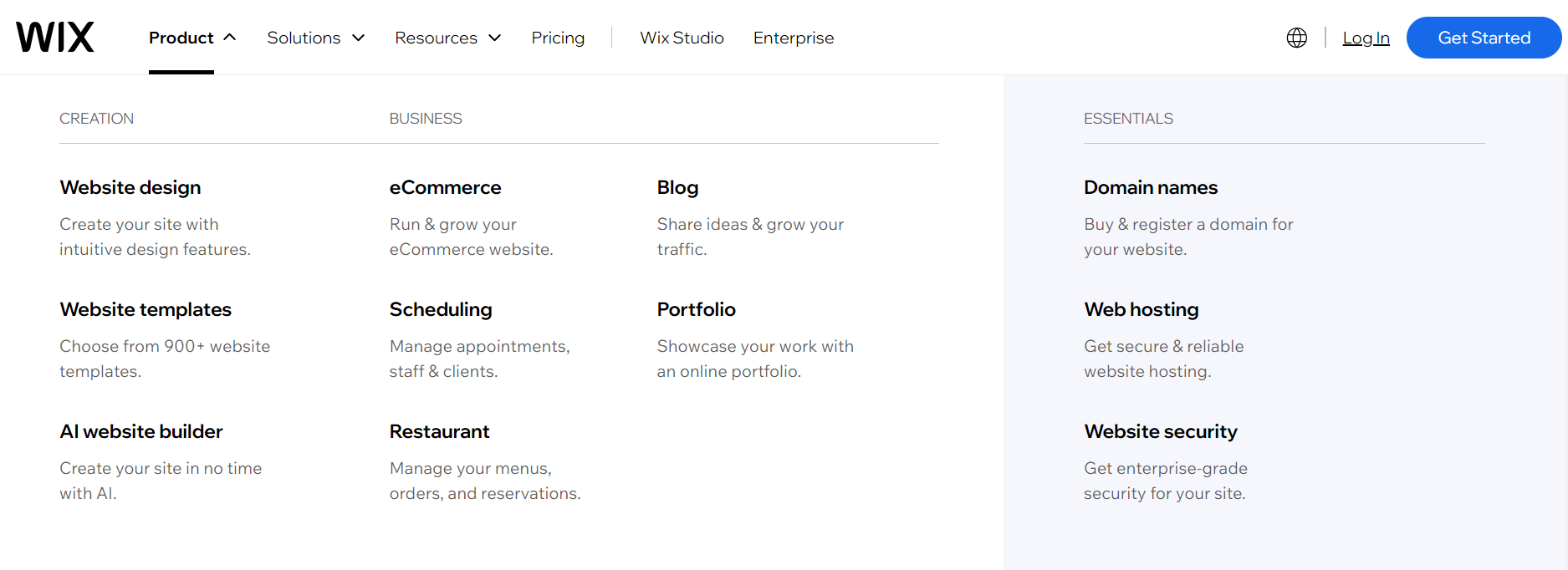
WordPress is famous for handling websites of all sizes, from small blogs to huge business sites. Its open-source system and huge collection of plugins mean it can grow endlessly. WordPress has plugins for everything, whether you need e-commerce tools, better SEO, security features, or faster performance. Additionally, some hosting companies specialize in WordPress, offering advanced tools to handle growing traffic and needs, like caching and automatic scaling.
Verdict: Shopify is great for big e-commerce businesses, with special plans for large operations. Wix scales well for various websites with flexible plans and many apps. WordPress can scale endlessly with its open-source system, many plugins, and hosting made just for WordPress.
Integration
Here’s a comparison of integration capabilities for Shopify, Wix, and WordPress:
Shopify
- E-commerce integrations: Shopify works well with many e-commerce tools and platforms because it’s made just for online stores. It connects easily with popular shipping companies like UPS, FedEx, and USPS, as well as payment platforms like PayPal, Stripe, and Square. Plus, its big app store has thousands of extra tools for tracking sales, helping customers, and marketing.
- Point-of-Sale (POS) integration: Shopify offers integration with its POS system, allowing users to sync their online and offline sales channels for unified inventory management and reporting.
- API access: Shopify offers strong Application Programming Interfaces (APIs) to enable developers to create unique integrations and link Shopify to other applications and business systems.
Wix
- App market: Wix provides an app store with numerous third-party integrations for website features. Wix’s app market has connectors for e-commerce, marketing, bookings, forms, galleries, and more, although it’s not as big as Shopify’s app store.
- Payment gateway integration: Wix supports integration with popular payment gateways like PayPal, Stripe, and Square, enabling users to accept online payments securely.
- External tools integration: Wix allows users to embed external tools and widgets into their websites using HTML code, providing flexibility for integrating additional functionalities unavailable through built-in features or apps.
WordPress
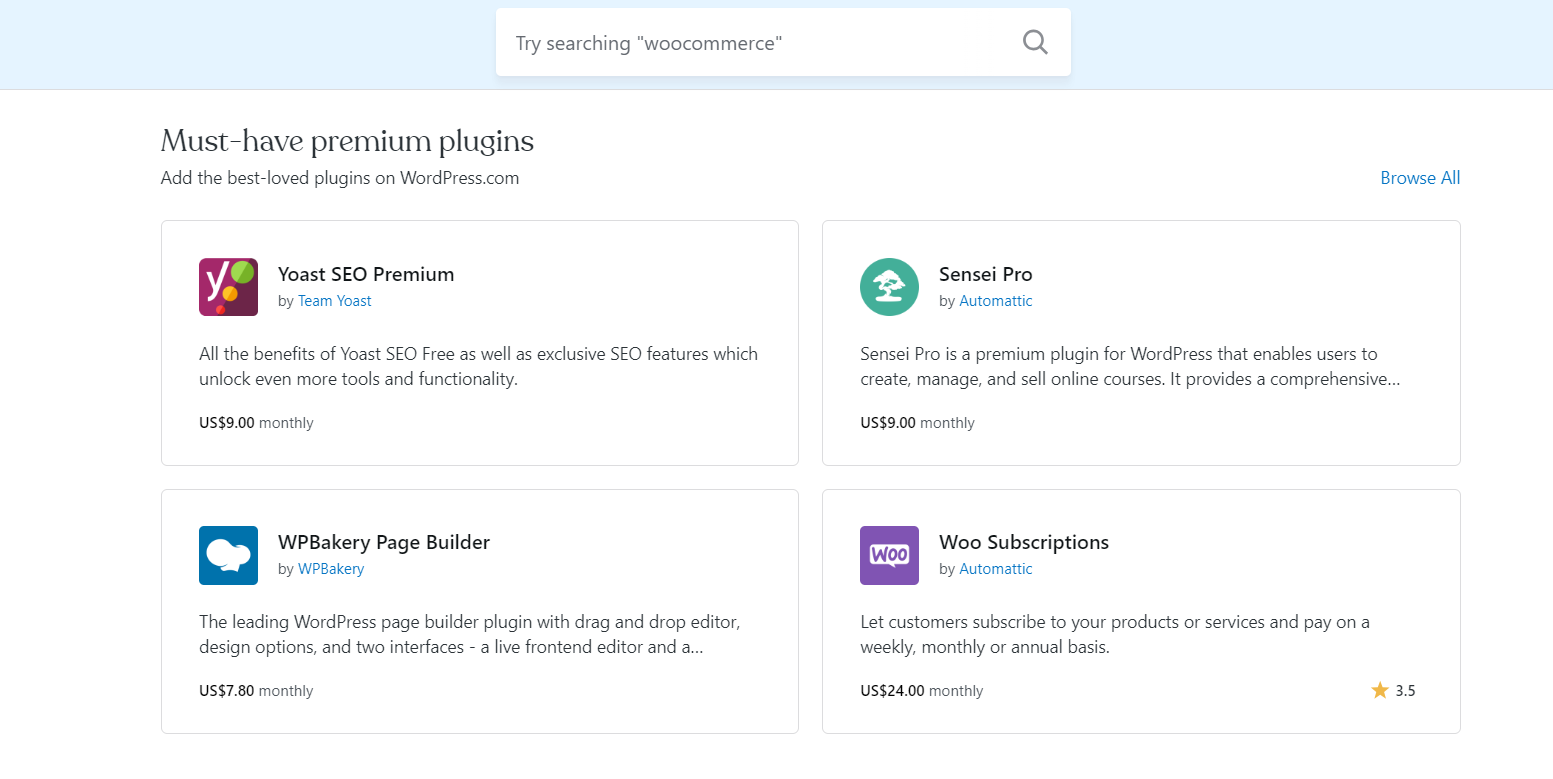
- Plugin ecosystem: WordPress has many plugins for different things in its big plugin collection. You can find plugins for e-commerce, social media, analytics, customer management, SEO, and more. They help you connect with other programs and platforms easily.
- WooCommerce integration: WordPress users can add WooCommerce, a strong e-commerce plugin that works smoothly with WordPress sites. WooCommerce lets you connect with different payment methods, shipping companies, and extra tools to improve your online shop.
- APIs and custom development: WordPress provides developers with tools and resources to make custom connections between WordPress and other systems. Developers can use WordPress’s flexibility to create solutions that perfectly fit their integration needs.
Platform’s policy and support
Shopify has formulated explicit guidelines delineated in its terms of service agreement, guaranteeing adherence to lawful and moral norms for virtual enterprises. They offer thorough assistance by phone, email, and live chat around the clock. Furthermore, Shopify provides a wealth of training, community forums, and documentation to help users navigate the platform and troubleshoot problems. Higher-tier plans come with priority support, specialized help from account managers, and dedicated support.
Wix promotes transparent principles specified in its terms of usage, privacy policy, and community guidelines to guarantee that users comply with legal and ethical norms. In addition to a thorough knowledge library, tutorials, and community forums, Wix provides customer assistance by phone, email, and ticketing system. Higher-tier plan users get access to premium support, which includes priority assistance and committed aid to address their questions and handle problems quickly.
WordPress is an open-source platform that grants users certain liberties and rights under the GPL (General Public License). Although WordPress.org does not provide direct customer assistance, its developer, designer, and user community offer access to information. Third-party services, official documents, and forums are all places to get support. In addition to providing consumers with specialized assistance for WordPress websites, managed WordPress hosting companies also help with technical problems and bug fixing.
Verdict: Shopify, Wix, and WordPress uphold explicit policies to guarantee adherence and offer assistance to their users. While Wix and Shopify provide direct customer support via various channels and additional resources, WordPress depends on its community and managed hosting services for more specialized support.
Shopify vs Wix vs WordPress: Which is best for you?
Choosing the best platform among Shopify, Wix, and WordPress depends on your specific needs, preferences, and goals:
- Choose Shopify if you prioritize e-commerce and need a robust platform dedicated to online retail. Because of its extensive e-commerce features, scalability, and integrated hosting, Shopify is a great option for companies that want to launch or grow their online stores fast and effectively.
- Choose Wix if you seek simplicity, versatility, and ease of use. Wix is ideal for people and small businesses who want to develop different types of websites, like blogs, portfolios, and online stores, without having any coding experience because of its user-friendly drag-and-drop website builder and ADI function.
- Choose WordPress if you value flexibility, customization, and scalability. Due to its unmatched flexibility and customization capabilities, WordPress is ideal for various website types and company purposes. It’s a great option for anyone who is prepared to put in the time to become familiar with and proficient with the platform and who desires total control over the look, feel, and content of their website.
The ideal platform for you will ultimately rely on your long-term objectives, technical proficiency, budget, and particular needs. Examine each platform’s features, advantages, and disadvantages to see which best suits your requirements and tastes. And remember, if you decide Shopify is right for you but are currently using another platform, professional migration services like Mageplaza can help make your transition seamless and stress-free.
Wrap up
The article above provides an in-depth comparison: Shopify vs Wix vs WordPress. In summary, Shopify specializes in e-commerce, Wix offers simplicity and versatility, and WordPress provides flexibility and customization. The best choice depends on individual needs and goals. Consider Shopify for online retail, Wix for easy website building, and WordPress for extensive customization. Each platform has unique strengths that meet different website creation and management requirements.
Table of content

Summer is the CMO and Digital Commerce Solution Expert with 10+ years of experience. She specializes in Magento, Shopify, ERP, CRM, AI, and Blockchain, delivering strategic solutions that transform businesses. With a deep understanding of digital commerce, she helps brands scale and stay ahead in a competitive market.
Related Post

16 mins read
|
08-30-2026
5 mins read
|
07-30-2026
7 mins read
|
06-30-2026

How to Enable DebugView in GA4 for your Magento 2 store - Mageplaza
Step-by-step guide to enabling GA4 DebugView for Magento 2 merchants — verify your GA4 events are firing correctly before trusting your data.
8 mins read
|
06-09-2026
Table Rate Shipping in eCommerce: A Practical Guide
Master Magento 2 Table Rate Shipping. Learn how to configure an accurate, automated shipping matrix to optimize your checkout and boost sales.
10 mins read
|
06-02-2026
14 mins read
|
09-30-2026
16 mins read
|
08-30-2026
5 mins read
|
07-30-2026
7 mins read
|
06-30-2026
How to Enable DebugView in GA4 for your Magento 2 store - Mageplaza
Step-by-step guide to enabling GA4 DebugView for Magento 2 merchants — verify your GA4 events are firing correctly before trusting your data.
8 mins read
|
06-09-2026
Table Rate Shipping in eCommerce: A Practical Guide
Master Magento 2 Table Rate Shipping. Learn how to configure an accurate, automated shipping matrix to optimize your checkout and boost sales.
10 mins read
|
06-02-2026