


2 mins read
|
10-30-2026
Web Design and Web Development: Key Differences and How They Work Together
Summer Nguyen | 07-03-2024
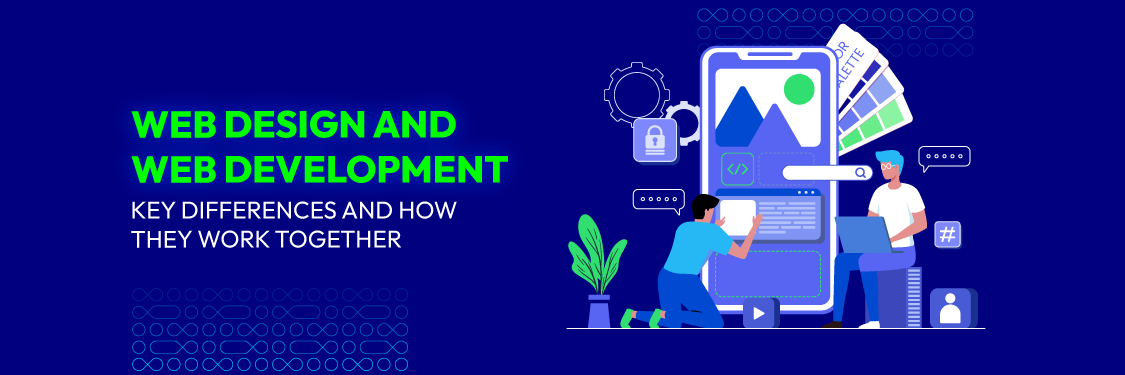
With over 1.8 billion websites vying for attention, captivating web design and seamless web development are necessities for survival in the online arena. Imagine a website that’s visually stunning, intuitively navigable, and lightning-fast. Now picture the opposite: a chaotic mix of clashing colors, broken links, and slow loading times. The difference highlights the crucial role of web design and development in shaping user experiences and business success online.
But what exactly sets these disciplines apart? And which one is more critical in website creation? In this guide, we’ll explore the world of web design and web development, breaking down their unique roles, key differences, and how they work together to create exceptional online experiences. Let’s find out now!
Web Design and Web Development: An Overview
Before we dive into the key differences between web design and development, let’s briefly define each to set the stage.
What is Web Design?
Web design is the process of creating the visual aesthetics, layout and user experience (UX) of a website. It focuses on crafting an engaging and intuitive interface that effectively communicates a brand’s message and guides users towards their goals. Think of web design as the architecture of a digital space, the one who creates a website that is both aesthetically pleasing and easy to navigate.
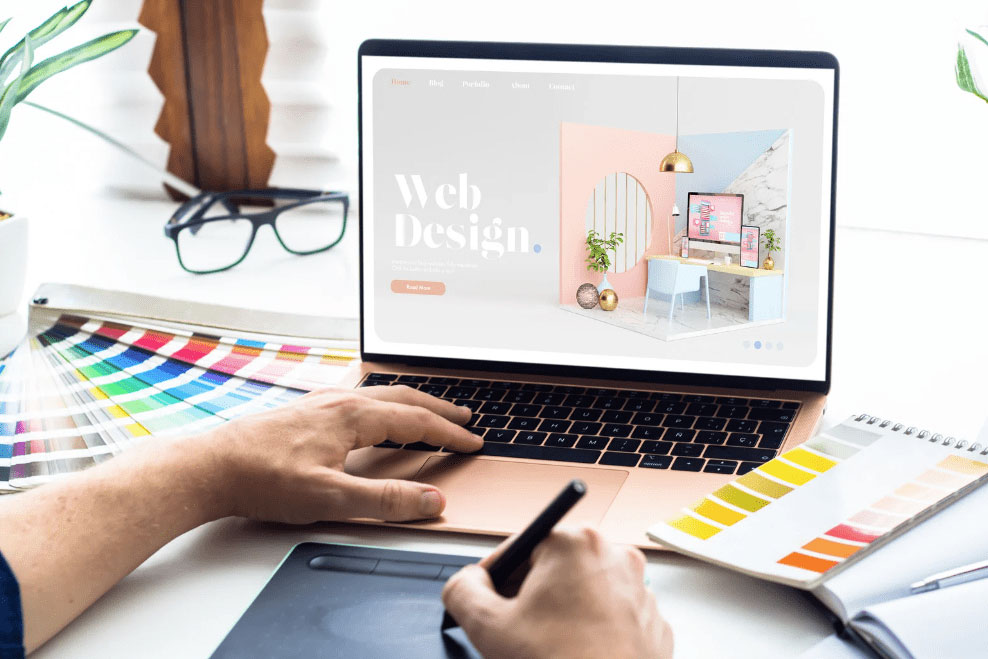
Key elements of website design:
- Brand Identity: Brand identity is crucial for creating a strong and memorable presence online. It encompasses the visual and stylistic elements that represent your brand and differentiate it from others. This includes logo, color scheme, typography, imagery and graphics.
- User Interface (UI): User Interface design focuses on the look and layout of the website. It aims to provide users with an aesthetically pleasing and efficient way to interact with the website.
- User Experience (UX): User Experience design focuses on the overall feel of the website and how users interact with it. The goal is to create a seamless, enjoyable and efficient experience for the user.
- Responsiveness: Responsive design ensures that a website looks and functions well on a variety of devices and screen sizes. This is critical in an era where users access websites from desktops, tablets, and smartphones.
What is Web Development?
On the contrary, web development focuses on the mechanisms that allow the website to function correctly. It involves using programming languages, frameworks, and libraries to create the underlying code that powers a website’s features, interactions, and data management. Simply put, web developers are like engineers constructing a building’s internal systems, ensuring it operates smoothly and delivers a seamless user experience.
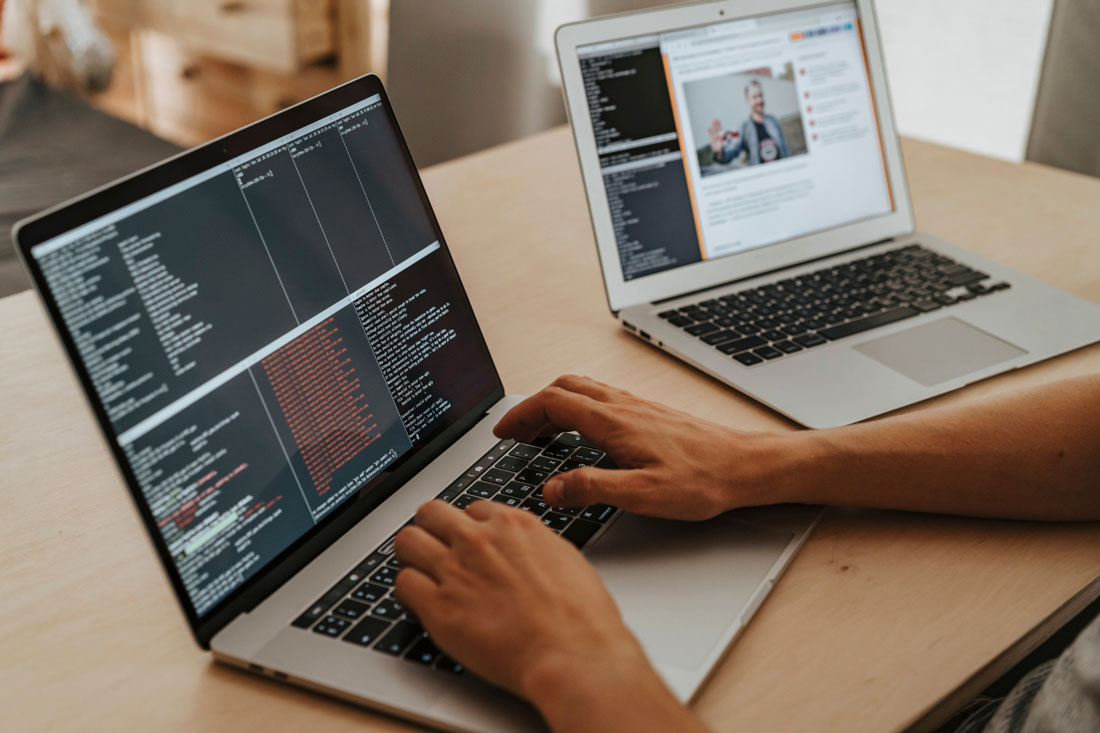
Key elements of website development:
- Coding and Programming: Writing code that defines the structure, behavior, and appearance of a website. This includes:
- Front-End Development: Deals with the visual and interactive aspects users interact with.
- Back-End Development: Manages the server-side logic, databases, and application integration.
- Database Management: Efficiently storing and retrieving website data, such as user information and product details.
- Server-Side Development: Handling server-side logic, processing user requests, and interacting with databases to deliver dynamic content and functionality.
- Security: Implementing measures to protect the website from vulnerabilities, data breaches, and cyberattacks.
- Performance Optimization: Ensuring fast page load times and smooth performance by optimizing code, images, and server configurations.
In summary, web design focuses on the visual aspects and user experience. On the other hand, web development involves implementing functionalities and interactions to make the website work as intended. Both are crucial for creating a successful website that is both visually appealing and functional.
Web Design vs Web Development: Quick Assessment
Web design and web development have differences in responsibilities, core skills, cost, and many more. Let’s take a look at the table below to see the key differences between these two disciplines:
|
Aspect |
Web Design |
Web Development |
| Focus | Aesthetics, user experience (UX), user interface (UI) | Functionality, structure, performance |
| Skills & Expertise | – Graphic design and visual communication skills.
– Understanding of UI/UX design principles. – Familiarity with HTML and CSS for basic layout and styling. |
– Proficiency in programming languages.
– Understanding of server-side technologies and databases. – Knowledge of deployment processes. |
| Tools | Design software, wireframing tools, prototyping tools | Code editors, version control, frameworks |
| Deliverables | Mockups, wireframes, prototypes, visual assets | Functional website/web application, server-side logic |
| Responsibilities | Creating the look and feel of the website, ensuring it’s user-friendly | Building the website’s structure and ensuring it works as intended |
| Cost | Typically lower | Typically higher |
Web Design vs Web Development: Comprehensive Comparison
In this part, to better understand web design and web development, we’ll explore each of the above aspects in greater detail.
Focus
- Web design focuses on the look and feel of the website, prioritizing aesthetics and user experience.
- Web development focuses on the technical implementation of the design, ensuring the website functions as intended.
Skills and Expertise
- A web designer needs mastery of color theory, typography, layout, and a deep understanding of user interface (UI) and user experience (UX) design principles to create websites with visually captivating interfaces that align with a brand’s identity and are intuitive and easy to navigate.
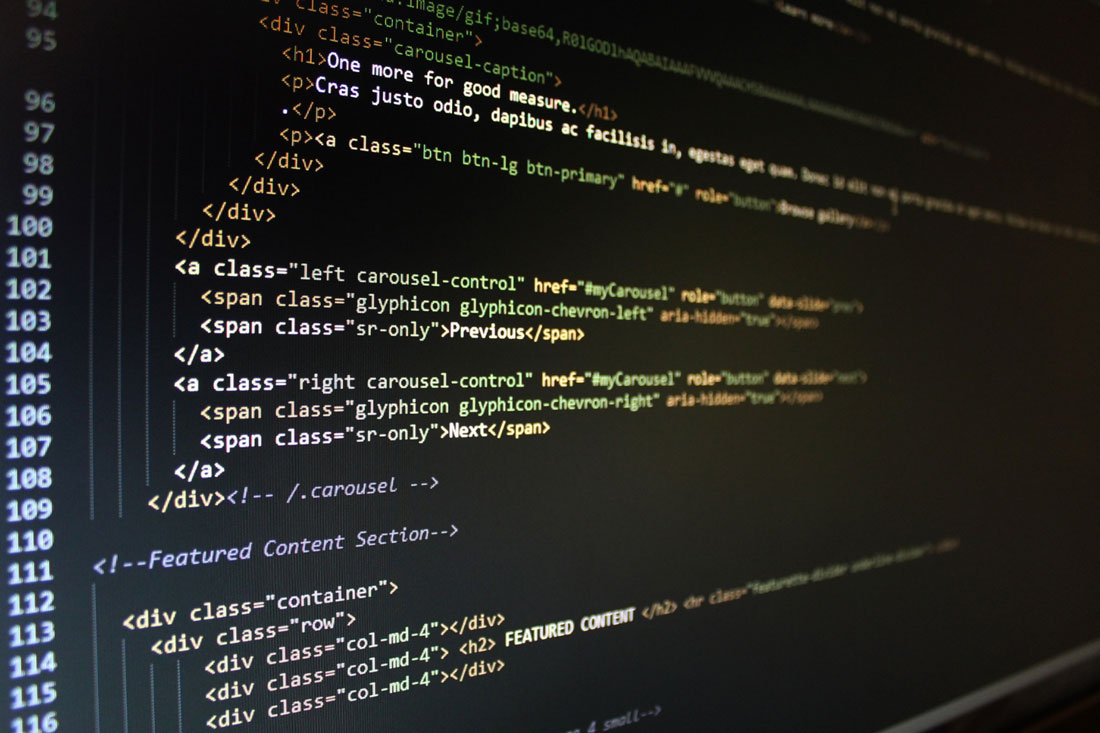
- A web developer must be fluent in languages like HTML, CSS, JavaScript, and backend languages like Python, PHP, Ruby. Additionally, understanding servers, databases, and APIs allows them to build robust, scalable websites. Knowledge of deploying websites to live servers ensures the final product is accessible and functions correctly in real-world environments.
Tools
- A web designer needs proficiency with software like Adobe Photoshop, Illustrator, Sketch, Figma and InVision.
- A web developer needs mastery of code editors (VS Code, Sublime Text), version control (Git) and frameworks.
Deliverables
- A web designer creates mockups, wireframes, prototypes, and visual assets, which define the look and feel of a website.
- A web developer creates functional websites or web applications, including server-side logic, ensuring that all features work correctly and efficiently.
Responsibilities
- Website designers are responsible for creating the visual aesthetics and layout of the website, ensuring it is user-friendly. They do not engage in coding tasks.
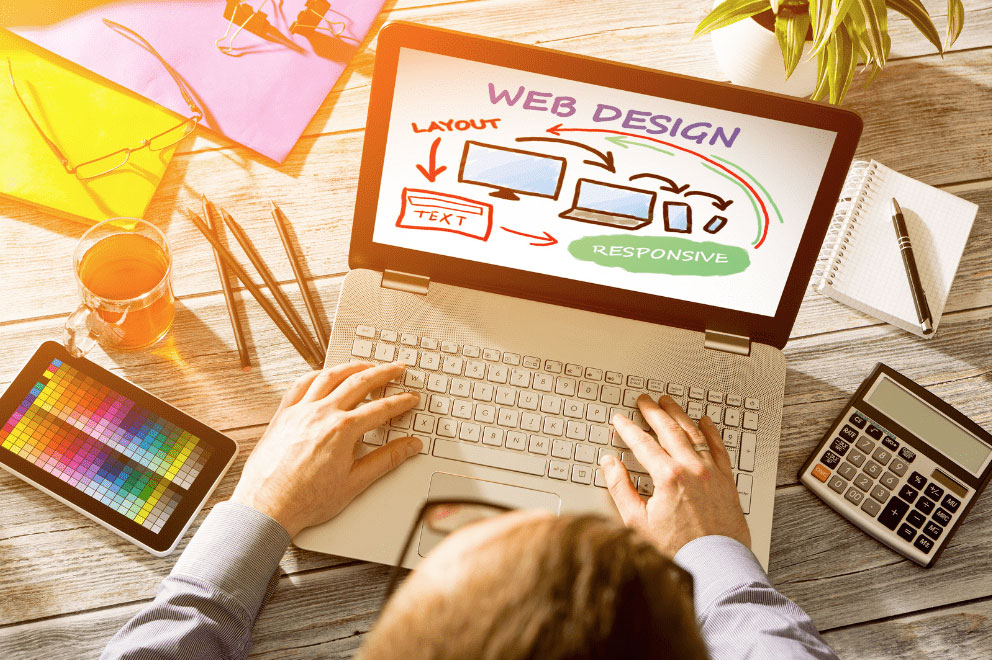
- Website developers write code to build the website’s structure and ensure its functionality. They are not responsible for creating assets.
Cost
In general, web design services tend to be priced lower than web development. According to industry sources such as Clutch, the average hourly rate for professional web developers in the US ranges from $100 to $149, while in the UK, rates can be higher, ranging from $150 to $199 per hour. Conversely, web designers, as reported by platforms like Wix and Fiverr, typically charge between $30 to $80 per hour.
The discrepancy in pricing primarily stems from the differing skill sets and expertise required for each role. Web development involves extensive training in programming languages and a deep understanding of backend technologies, making it more technically complex and thus commanding higher rates. On the other hand, web design focuses more on the visual and user experience aspects of a website, which although crucial, may require less specialized technical knowledge and training compared to development.
How Web Design and Web Development Work in Harmony?
Web design is the face of your website, and web development is the backbone and brain. Therefore, despite their distinct roles, these disciplines must collaborate closely to ensure the functionality and aesthetics of a website work harmoniously together.
Impact of Design on Development
To make it clearer, consider these statistics:
- 94% of first impressions are influenced by web design. A well-designed website enhances user experience through intuitive navigation, appealing aesthetics, and responsive layouts, which can significantly influence a visitor’s decision to stay and explore further. This means effective web design is essential for establishing a strong online presence and achieving the desired user interactions and conversions.
- A well-designed UI can increase conversion rate by up to 200%. This demonstrates the importance of design in guiding user behavior and achieving business goals, which developers need to consider during implementation.
Impact of Development on Design
- A load time between 0-4 seconds is best for optimum conversion rates. An ecommerce site that loads within a second converts 2.5x more visitors than a site that takes 5 seconds. These two statistics highlight the need for developers to balance aesthetics with performance, working closely with designers to optimize visual assets.
- 73,1% of web designers think that non-responsive design is a top reason why visitors leave a website. Designers and developers need to work together to make sure that all of their design elements adapt seamlessly to different screen sizes and devices, reflecting the growing importance of mobile browsing.
These numbers reveal that both design and development play crucial roles in user satisfaction, engagement, and ultimately, a website’s success. Designers provide the blueprint with wireframes and mockups, which developers then translate into code. A beautiful design without functionality is like a car without an engine – visually appealing but going nowhere. Likewise, a highly functional website with a poor design won’t attract or retain users.
By understanding and appreciating the roles of both web design and web development and fostering collaboration between the two, businesses can create websites that not only attract but also engage users effectively.
Final Thoughts
Understanding the nuances between web design and web development is crucial. Whether you’re building a team or hiring professionals, recognizing the unique skills and expertise each role requires is essential. By embracing the collaborative spirit between web design and web development, you pave the way for the creation of exceptional websites that captivate, inform, and inspire.
Remember, a successful website is not solely the result of stunning visuals or flawless code; it’s the harmonious fusion of both. By recognizing and valuing the distinct contributions of web designers and developers, we can unlock the full potential of the digital realm.
Table of content

Summer is the CMO and Digital Commerce Solution Expert with 10+ years of experience. She specializes in Magento, Shopify, ERP, CRM, AI, and Blockchain, delivering strategic solutions that transform businesses. With a deep understanding of digital commerce, she helps brands scale and stay ahead in a competitive market.
Related Post

15 mins read
|
09-30-2026
16 mins read
|
08-30-2026
5 mins read
|
07-30-2026
7 mins read
|
06-30-2026

How to Enable DebugView in GA4 for your Magento 2 store - Mageplaza
Step-by-step guide to enabling GA4 DebugView for Magento 2 merchants — verify your GA4 events are firing correctly before trusting your data.
8 mins read
|
06-09-2026
2 mins read
|
10-30-2026
15 mins read
|
09-30-2026
16 mins read
|
08-30-2026
5 mins read
|
07-30-2026
7 mins read
|
06-30-2026
How to Enable DebugView in GA4 for your Magento 2 store - Mageplaza
Step-by-step guide to enabling GA4 DebugView for Magento 2 merchants — verify your GA4 events are firing correctly before trusting your data.
8 mins read
|
06-09-2026